

The health and fitness industry is experiencing a rapid transformation, driven by advancements in technology, evolving consumer behavior, and an increased focus on overall well-being. As we move into 2025 and beyond, the way we approach fitness, nutrition, and mental health will continue to change. Here’s a look at some of the most exciting trends that will shape the health and fitness world in the coming years.
1. Wearable Technology: Monitoring Health in Real-Time
Wearable technology has already made a significant impact on the fitness industry, and by 2025, its role is expected to become even more vital. Devices like fitness trackers, smartwatches, and health-monitoring wearables are now mainstream, allowing users to track everything from heart rate and steps to sleep patterns and calories burned.
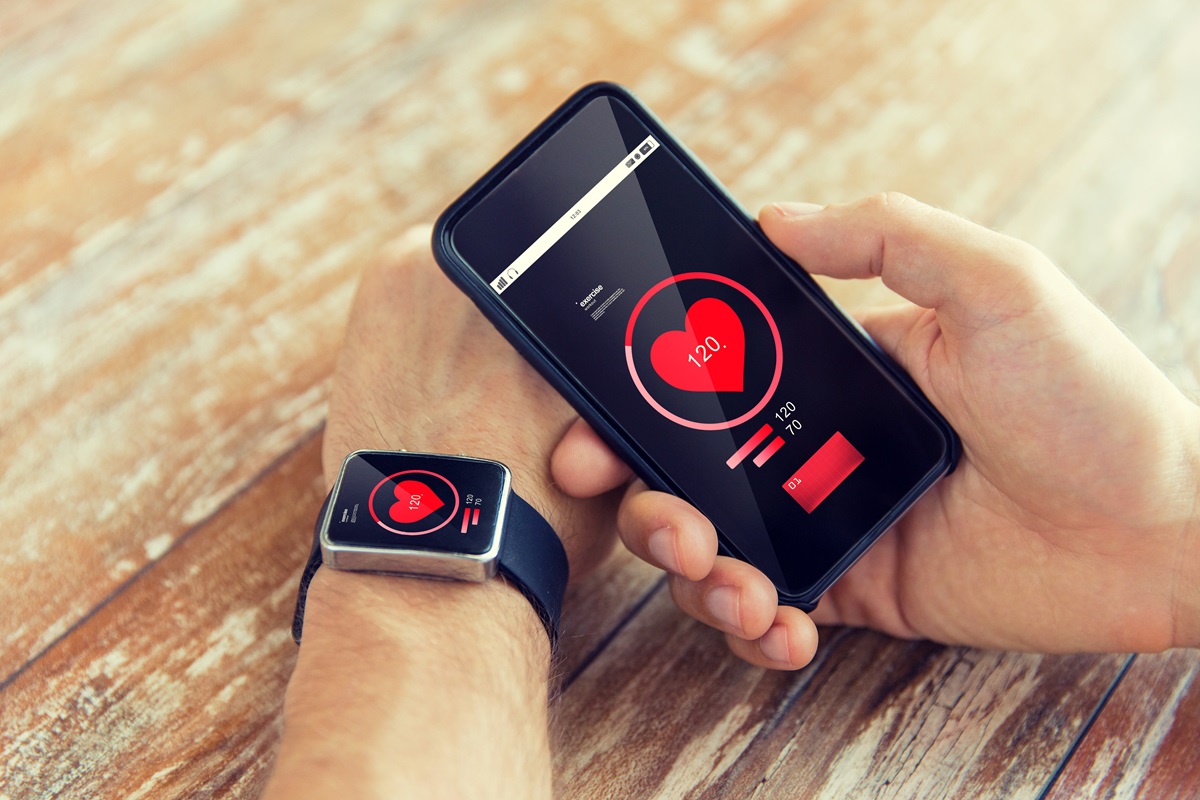
However, in the coming years, we can expect these devices to become even more advanced. New innovations will allow for more precise health data collection, such as blood oxygen levels, glucose monitoring, and even mental health indicators like stress levels. These advancements will help individuals make more informed decisions about their health and fitness, offering real-time insights that can optimize their workouts and improve overall well-being.
2. Virtual Fitness and Hybrid Workouts: The Rise of Online Platforms
The COVID-19 pandemic accelerated the shift to virtual fitness, and this trend is here to stay. With the convenience of working out from home, online fitness platforms, live streaming classes, and on-demand workout videos have gained immense popularity. By 2025, hybrid workouts—combining in-person and virtual training—will be the norm, offering greater flexibility for those with busy schedules or limited access to gyms.
Virtual fitness will continue to evolve, with new interactive experiences using augmented reality (AR) and virtual reality (VR) technologies. These immersive workouts will make exercise more engaging and enjoyable, from cycling classes set in virtual landscapes to interactive yoga sessions where participants can engage in real-time with trainers and fellow members. The possibilities are endless as technology continues to blend fitness and entertainment.
3. Personalized Nutrition: Tailored Diet Plans and Supplements
As the understanding of nutrition continues to evolve, personalized nutrition will become a cornerstone of the health and fitness industry. Advances in genetic testing, microbiome analysis, and AI-powered platforms will allow individuals to receive tailored diet plans based on their unique genetic makeup, health goals, and activity levels.
By 2025, nutrition apps and platforms will offer more precise recommendations on what to eat, when to eat, and how to balance macronutrients for optimal performance and health. Personalized supplements, designed to address specific deficiencies and health needs, will also become more popular, enabling individuals to optimize their nutrition based on data-driven insights.
4. Mental Health and Wellness: A Holistic Approach to Fitness
Mental health has become a critical focus in the health and fitness world. As more people recognize the importance of mental well-being alongside physical fitness, the concept of holistic health is gaining traction. In 2025, we can expect mental health to be integrated more deeply into fitness routines, with many workout programs and apps incorporating mindfulness, meditation, and stress-relief techniques.
Yoga, Pilates, and mindfulness-based fitness programs will continue to grow in popularity, as they offer both physical and mental benefits. Fitness brands will increasingly promote the importance of a balanced approach to health, where exercise, mental health, and self-care go hand-in-hand. By prioritizing both mind and body, individuals will be empowered to achieve a greater sense of well-being.
5. Fitness Gamification: Turning Workouts into Play
Gamification in fitness is transforming traditional workouts into fun, engaging experiences. Platforms like Zwift, Peloton, and even fitness apps are integrating elements of gaming—such as challenges, rewards, and competitive features—to keep users motivated and excited about their fitness journeys.
In 2025, expect more fitness programs and platforms to incorporate gamified experiences, whether it’s through virtual races, fitness challenges, or social sharing features that allow users to connect and compete with others globally. The combination of exercise and play will help make staying fit more enjoyable, motivating people to stick with their routines long-term.

6. Recovery and Regeneration: The Rise of Post-Workout Technology
Recovery is just as important as the workout itself, and advancements in recovery technology are transforming how we heal post-exercise. Devices like percussive massagers, cryotherapy chambers, and compression therapy are already gaining popularity, and by 2025, these technologies will become even more accessible.
New innovations in recovery tools, such as smart foam rollers and wearable recovery devices, will allow individuals to optimize their recovery process, reducing muscle soreness and improving overall performance. As the importance of recovery is recognized more widely, gyms, fitness centers, and wellness brands will increasingly integrate these technologies into their offerings.
Conclusion
The health and fitness industry is evolving rapidly, with technology, personalization, and a focus on holistic well-being driving the change. Wearable devices, virtual fitness platforms, personalized nutrition, mental health integration, fitness gamification, and recovery technologies are all set to reshape how we approach our health and fitness goals in the coming years. By embracing these trends, individuals will have more tools and resources than ever before to lead healthier, more balanced lives. As we move into 2025 and beyond, the future of health and fitness looks brighter and more inclusive than ever.