

As we move into 2025, several emerging trends are set to revolutionize industries, influence consumer behavior, and transform how we live our daily lives. From advancements in technology to shifts in cultural and societal norms, the world is evolving at an unprecedented pace. Here’s a look at some of the top trends that are expected to shape the future in the coming years.
1. AI and Automation: A New Era of Efficiency
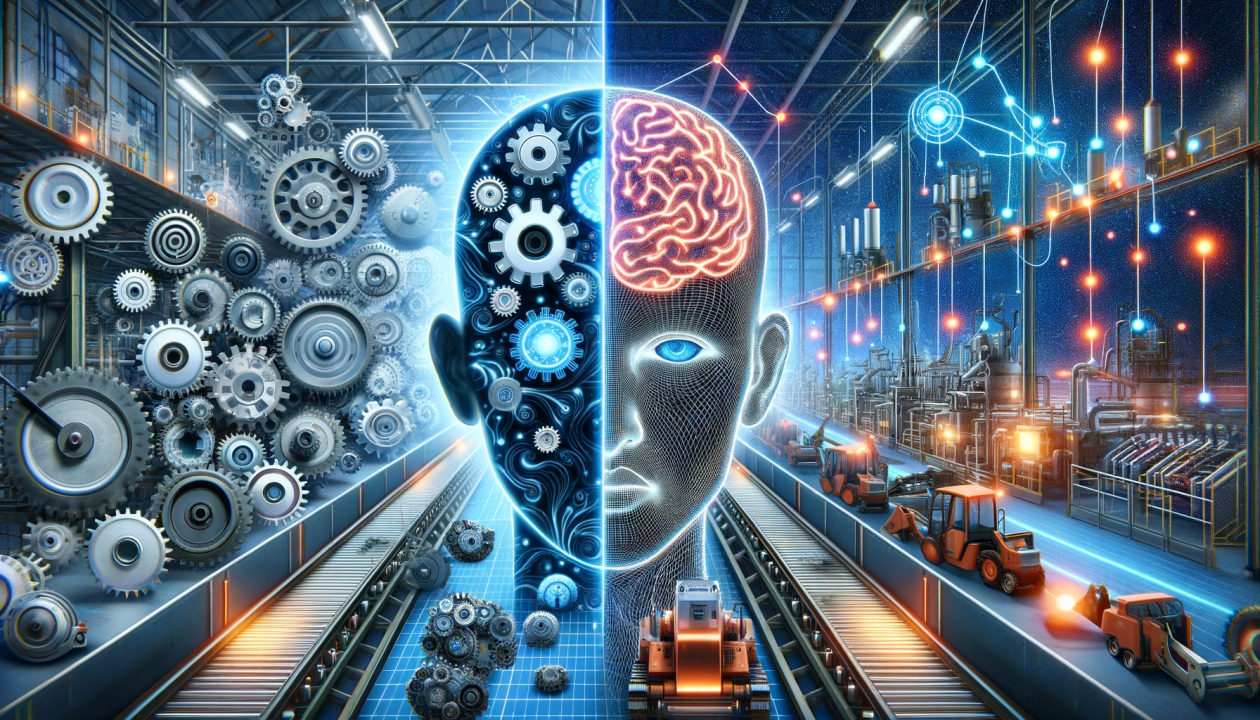
Artificial Intelligence (AI) and automation have already begun to disrupt industries such as healthcare, finance, and retail. By 2025, AI is expected to be deeply integrated into even more sectors, enhancing productivity and efficiency. AI-driven tools are making routine tasks faster and more accurate, from customer service chatbots to advanced analytics systems that help businesses make data-driven decisions.
However, the rise of AI and automation comes with both excitement and concern. While they can increase efficiency, they also raise questions about job displacement and the ethical implications of relying on machines for decision-making. The key challenge for businesses will be striking the right balance between leveraging AI’s benefits and ensuring a fair and equitable workforce.
2. Sustainability and Green Technology: The Push for a Greener Future
Sustainability has become a top priority for individuals, businesses, and governments alike. The growing urgency of climate change is pushing industries to adopt more sustainable practices. By 2025, the shift toward renewable energy, electric vehicles, and sustainable packaging is expected to accelerate.
Green technologies such as solar power, wind energy, and energy-efficient building materials are leading the charge in reducing carbon footprints. Consumers are also becoming more conscious of their environmental impact, driving demand for eco-friendly products and services. Businesses that prioritize sustainability are likely to thrive in a world that increasingly values environmental responsibility.
3. Remote Work and Hybrid Work Models: The Future of Employment
The pandemic permanently reshaped how people approach work, with remote and hybrid work models becoming the norm for many industries. By 2025, these models will continue to evolve, with even more companies offering flexible working arrangements that allow employees to choose where and how they work.
The trend toward remote work has already sparked significant changes in real estate, as employees prioritize homes with dedicated office spaces and better connectivity. Additionally, technology companies are innovating with collaboration tools that make virtual communication as seamless as in-person meetings, further reinforcing the remote work trend.
4. Metaverse and Virtual Reality: The Next Frontier of Digital Interaction
The metaverse, a virtual reality (VR) space where users can interact in real-time, is one of the most talked-about developments in tech. By 2025, it is expected that the metaverse will have moved beyond its initial gaming applications and into sectors such as retail, education, and social interaction.
Virtual reality experiences, augmented reality (AR), and AI-driven avatars are expected to blur the lines between the digital and physical worlds, allowing users to shop, socialize, and work in immersive, digital environments. As companies invest heavily in metaverse technologies, the potential for virtual spaces to reshape entertainment, commerce, and education is enormous.
5. Health and Wellness: The Growing Focus on Mental Health
While physical fitness continues to be a key focus for health and wellness enthusiasts, there is a growing emphasis on mental health. In 2025, mental wellness is expected to take center stage as people recognize its critical role in overall well-being.

Technology is helping individuals manage their mental health in new ways, with apps that track mood, provide meditation exercises, or connect users to mental health professionals. In the workplace, employers are increasingly offering mental health benefits and creating supportive environments to help employees manage stress and burnout. The focus on mental well-being is likely to continue expanding, with both individuals and organizations prioritizing mental health as much as physical health.
6. E-commerce and Direct-to-Consumer (DTC) Models: The Rise of Personalized Shopping
E-commerce has been booming for years, and it shows no signs of slowing down. By 2025, more brands will adopt direct-to-consumer (DTC) models, cutting out middlemen and offering more personalized shopping experiences. Advanced data analytics and AI will allow companies to offer tailored products and services, ensuring a unique and customer-centric shopping experience.
From personalized clothing recommendations to subscription-based services, DTC brands will offer convenience and customization. Additionally, new technologies like augmented reality will enhance the online shopping experience, enabling consumers to visualize products in their homes before making a purchase.
Conclusion
As we look toward 2025, these trends are not just buzzwords—they represent profound shifts in technology, society, and culture. From the rise of AI and automation to the push for sustainability, the future holds exciting potential. While these changes will bring about new challenges, they also offer tremendous opportunities for innovation, growth, and transformation. As businesses, consumers, and governments navigate these trends, it’s clear that the future will be shaped by adaptability, creativity, and a focus on the greater good.