

The fashion industry is undergoing a dynamic transformation, driven by advancements in technology, sustainability concerns, and shifting consumer preferences. As we approach 2025, the landscape of fashion is set to look vastly different. From eco-conscious designs to the integration of artificial intelligence, the future of fashion promises to be both innovative and inclusive. Here are some of the most exciting trends shaping the fashion world in the coming years.
1. Sustainability: A Core Business Imperative
Sustainability is no longer just a buzzword in fashion—it’s becoming a driving force behind the industry’s evolution. In response to increasing consumer demand for ethical and eco-friendly products, brands are prioritizing sustainable practices. By 2025, fashion brands will be expected to make even more significant strides in reducing their carbon footprint and waste.
From using organic materials to adopting circular fashion models (where products are recycled or repurposed), the focus will shift towards more sustainable supply chains. Consumers will demand greater transparency about how their clothes are made, from sourcing to production, and companies will need to address these concerns by offering clear, verifiable information about their sustainability efforts.
2. Technology Integration: Smart Clothing and Wearables
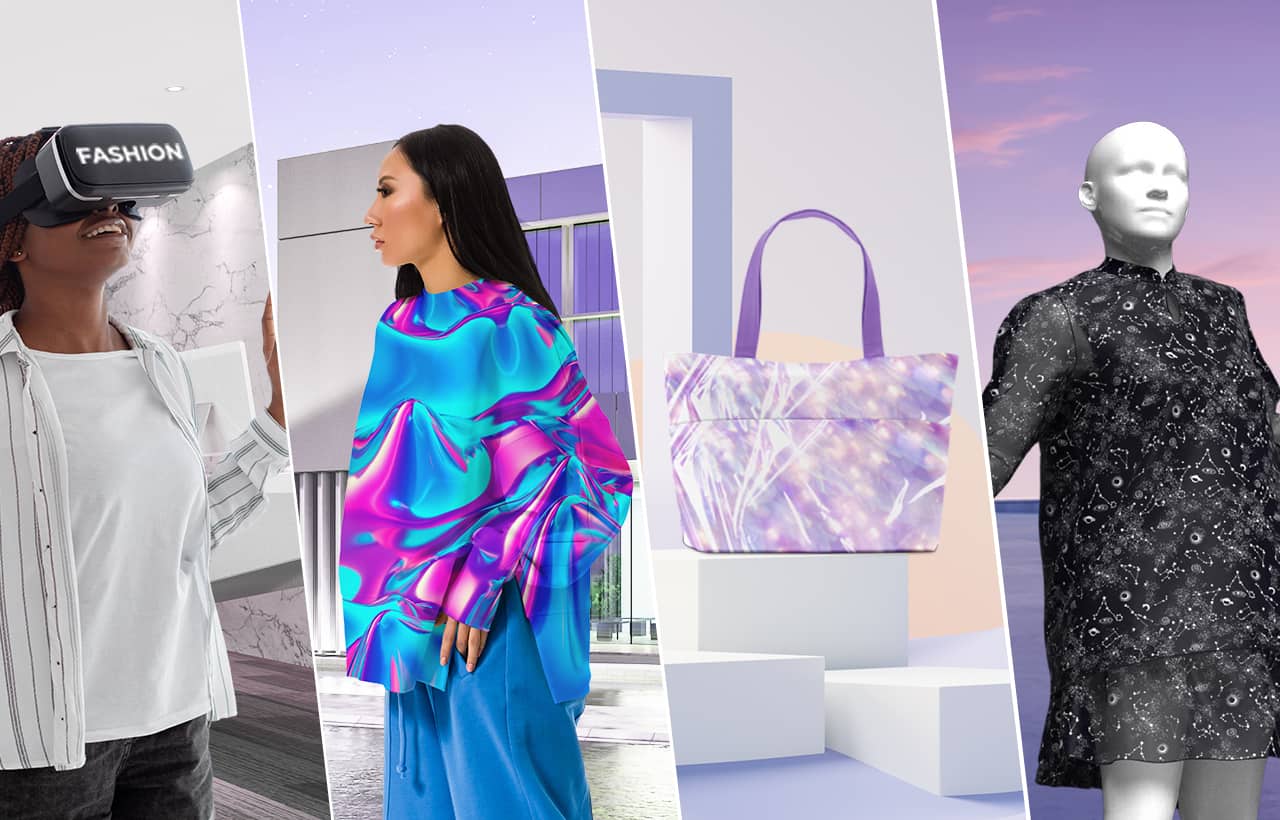
The integration of technology into fashion is one of the most exciting developments on the horizon. By 2025, smart clothing and wearables will likely become more mainstream, blurring the lines between fashion and technology. Imagine clothing that adapts to your body temperature, shoes that track your movements, or jackets that charge your devices on the go.
Augmented reality (AR) and virtual reality (VR) are also set to revolutionize how we shop for fashion. AR will allow customers to try on clothes virtually, eliminating the need for physical fitting rooms and enhancing the online shopping experience. These technologies will create immersive, personalized shopping experiences that will further blend the digital and physical worlds.
3. Inclusivity and Body Positivity: Fashion for All
Inclusivity has become a defining value in the fashion industry. In recent years, there has been a significant push towards greater diversity in fashion campaigns, runways, and product offerings. By 2025, the trend toward body positivity and inclusivity will only grow stronger.
Fashion brands will increasingly offer a wider range of sizes, ensuring that everyone, regardless of body type or shape, has access to stylish and well-fitting clothing. Additionally, there will be a growing emphasis on gender-neutral collections that cater to all identities. Fashion will continue to evolve into a space that celebrates individuality and allows consumers to express themselves authentically.
4. Resale and Secondhand Fashion: The Rise of the Circular Economy
As sustainability takes center stage, the resale and secondhand market will continue to thrive. Platforms like Depop, ThredUp, and Poshmark have already seen significant growth, and by 2025, buying pre-owned fashion will become even more mainstream. Consumers will not only look to purchase secondhand items to reduce their environmental impact but also as a way to find unique, vintage pieces that offer something different from mass-produced styles.
The circular economy, where products are reused, repurposed, and recycled, will be central to the fashion industry’s future. Brands will increasingly adopt resale models, offering repair, reuse, and upcycling services to extend the life cycle of their products.
5. Digital Fashion: Virtual Fashion Worlds and NFTs
Digital fashion is another trend gaining momentum, especially in the realm of virtual worlds and the metaverse. Virtual clothing and accessories are being created for online avatars, allowing individuals to express their personal style in digital environments. In 2025, this trend will likely continue to expand, with fashion brands launching exclusive digital collections available only in virtual spaces.

Alongside this, non-fungible tokens (NFTs) will play a larger role in fashion, allowing consumers to own unique, digital fashion pieces tied to a blockchain. This intersection of fashion, technology, and digital ownership is paving the way for a new era of fashion in both the real and virtual worlds.
6. Personalization: Tailored Experiences for Consumers
Consumers are increasingly seeking personalized fashion experiences. By 2025, technology such as AI will allow brands to offer more tailored shopping experiences, suggesting items based on past purchases, personal preferences, and even body measurements. This level of customization will lead to greater customer satisfaction, as consumers will feel that brands are meeting their specific needs and desires.
Additionally, some fashion brands may offer made-to-order services, where consumers can customize their clothes down to the finest detail, ensuring a perfect fit and style that reflects their personality.
Conclusion
The future of fashion is bright, diverse, and tech-driven. As sustainability, inclusivity, and technological integration continue to reshape the industry, consumers can look forward to a more ethical, personalized, and innovative fashion landscape. Whether it’s through sustainable materials, smart clothing, or digital fashion, the next few years will bring exciting changes to the world of fashion. For businesses and consumers alike, staying attuned to these trends will be key to navigating the ever-evolving fashion industry.