

Artificial Intelligence (AI) is no longer a futuristic concept—it’s actively transforming industries across the globe. From healthcare to finance, AI’s influence is growing exponentially. As we look toward 2025 and beyond, the role of AI is poised to become even more integrated into our daily lives and businesses. With advancements in machine learning, natural language processing, and automation, the future of AI is brimming with potential. Here are some of the most exciting trends set to shape the AI industry in the coming years.
1. AI-Powered Automation: Redefining Workflows
One of the most significant trends in AI is the rise of automation. AI-powered tools are increasingly being used to streamline processes, reduce costs, and enhance productivity. From robotic process automation (RPA) to intelligent workflows, businesses are utilizing AI to automate repetitive tasks that were once time-consuming and prone to human error. In industries like manufacturing, logistics, and customer service, AI-driven automation will continue to evolve, enabling companies to focus on more complex and strategic tasks.
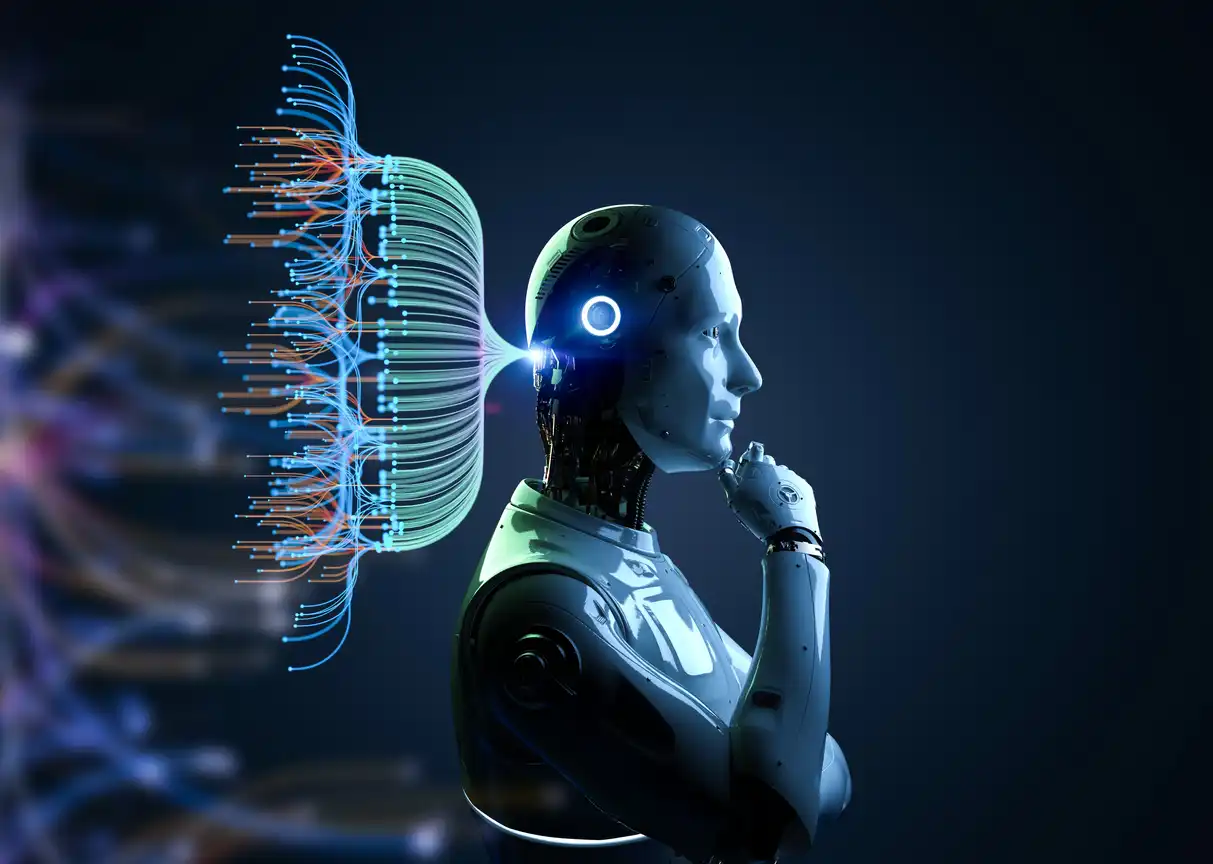
AI will also drive a transformation in the job market. While some jobs may be replaced by automation, new roles will emerge to manage and enhance AI systems. The focus will shift from manual labor to jobs requiring creativity, problem-solving, and emotional intelligence—skills that AI cannot replicate.
2. AI in Healthcare: Revolutionizing Patient Care
The healthcare industry is one of the most promising areas for AI applications. In 2025 and beyond, AI will revolutionize patient care by improving diagnostics, treatment personalization, and overall healthcare delivery. Machine learning algorithms are already being used to analyze medical images, detect diseases like cancer early, and predict patient outcomes with high accuracy.
Moreover, AI-driven personalized medicine will become more prevalent. By analyzing a patient’s genetic makeup, lifestyle, and medical history, AI will help doctors craft tailored treatment plans. This trend will not only improve outcomes but also reduce costs by ensuring that treatments are more effective and efficient.
AI-powered tools will also help address staffing shortages in healthcare by automating routine administrative tasks, allowing healthcare professionals to focus on direct patient care.
3. Natural Language Processing: Advancements in Communication
Natural Language Processing (NLP), a subfield of AI focused on enabling machines to understand and interact with human language, is advancing rapidly. In the coming years, NLP will continue to improve, enabling more sophisticated voice assistants, chatbots, and translation tools. AI’s ability to understand and respond in natural, context-aware conversations will transform how businesses communicate with customers.
For example, businesses will use AI-driven chatbots to provide 24/7 customer support, offering quick and accurate responses to inquiries. NLP will also play a crucial role in enhancing accessibility, as AI can translate languages in real time, making communication seamless across language barriers.
4. AI and Ethics: Addressing Concerns of Bias and Privacy
As AI becomes more integrated into society, concerns around its ethical implications are growing. Issues like algorithmic bias, data privacy, and transparency are central to discussions about the future of AI. Companies and governments will need to work together to create frameworks that ensure AI is used responsibly and ethically.
In the coming years, expect more regulation and oversight in AI development to address these concerns. This includes ensuring that AI systems are fair, transparent, and respect individuals’ privacy rights. Ethical AI will be a top priority as the technology becomes more ubiquitous.

5. AI in Creativity: Enhancing Art, Music, and Design
AI is making waves in creative industries as well. AI tools are now capable of composing music, generating visual art, and even writing stories. While AI-generated content may have started as a novelty, it is increasingly being used by professionals in fields like advertising, music production, and design to inspire creativity and streamline workflows.
In the future, AI will play a larger role in collaborative creative processes, providing artists with innovative tools to push the boundaries of their work. As AI continues to improve, we can expect even more groundbreaking contributions to the creative world.
Conclusion
The future of AI holds incredible promise, with advancements in automation, healthcare, natural language processing, ethics, and creativity. As AI continues to evolve, it will change how we live, work, and interact with technology. While challenges such as ethics and privacy must be addressed, the opportunities presented by AI are vast and exciting. In the coming years, AI will undoubtedly become an even more integral part of our lives, driving innovation across every sector.